

Active lines

Research

The common thread is on-board autonomy: how a satellite turns what its sensors measure into useful information, how it decides on its own, and how you prove it before launch.

01

Vision-based navigation for proximity operations

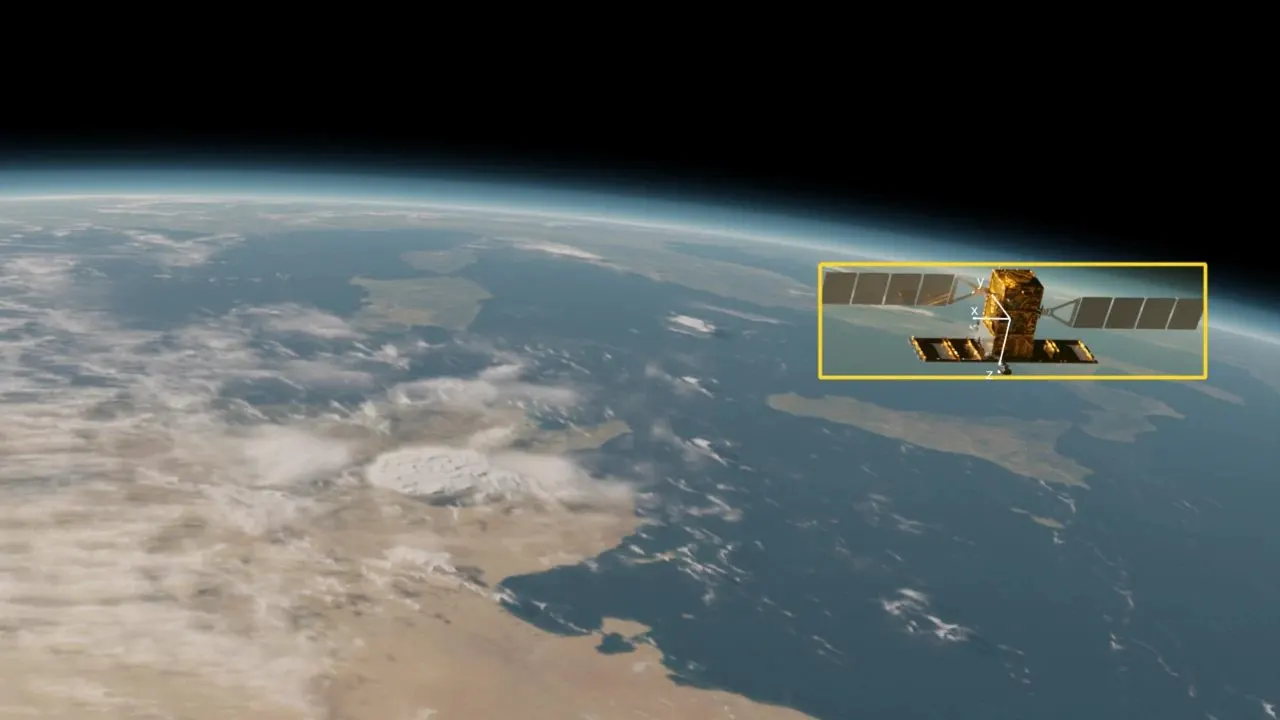
Monocular navigation for active debris removal and in-orbit servicing, where the relative pose between chaser and target must be known accurately.

A camera is an attractive sensor for mass, cost and power, but space imagery is hard: harsh illumination and high noise. Deep neural networks are a promising way to process it, and two obstacles remain open, the gap between synthetic and real imagery and the on-board computational cost. The lab works on algorithm optimisation for embedded deployment and on uncertainty quantification. In 2025 a hardware-in-the-loop testbed entered service, with a seven degree of freedom robotic arm, a sun simulator and an OptiTrack motion capture system, generating real test imagery automatically.

Deep learningRendezvousDomain gapHardware in the loop
Vision-based navigation for proximity operations
02

Autonomous collision avoidance

Accurate and cost-effective solutions to avoid collisions in orbit. Candidate conjunctions are by now too many to be handled manually one by one.

Computing collision probability and risk indexes serves to cut the cases to examine down to those strictly needed to keep a given safety level. In parallel, work on mitigation procedures aims to automate the process so that it runs faster and more accurately, with attention to integration into existing infrastructure. Projects: ABACO, with ASI and SpaceDyS, and OB-ASTRA, led by Nautilus and funded by ASI and ESA.

Space traffic managementABACOOB-ASTRA
Autonomous collision avoidance
03

Space situational awareness

Monitoring, tracking and characterising objects in Earth orbit, with ground based and spaceborne sensors, to predict and avoid collisions.

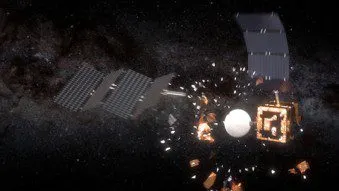
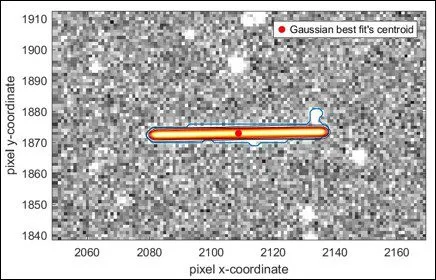
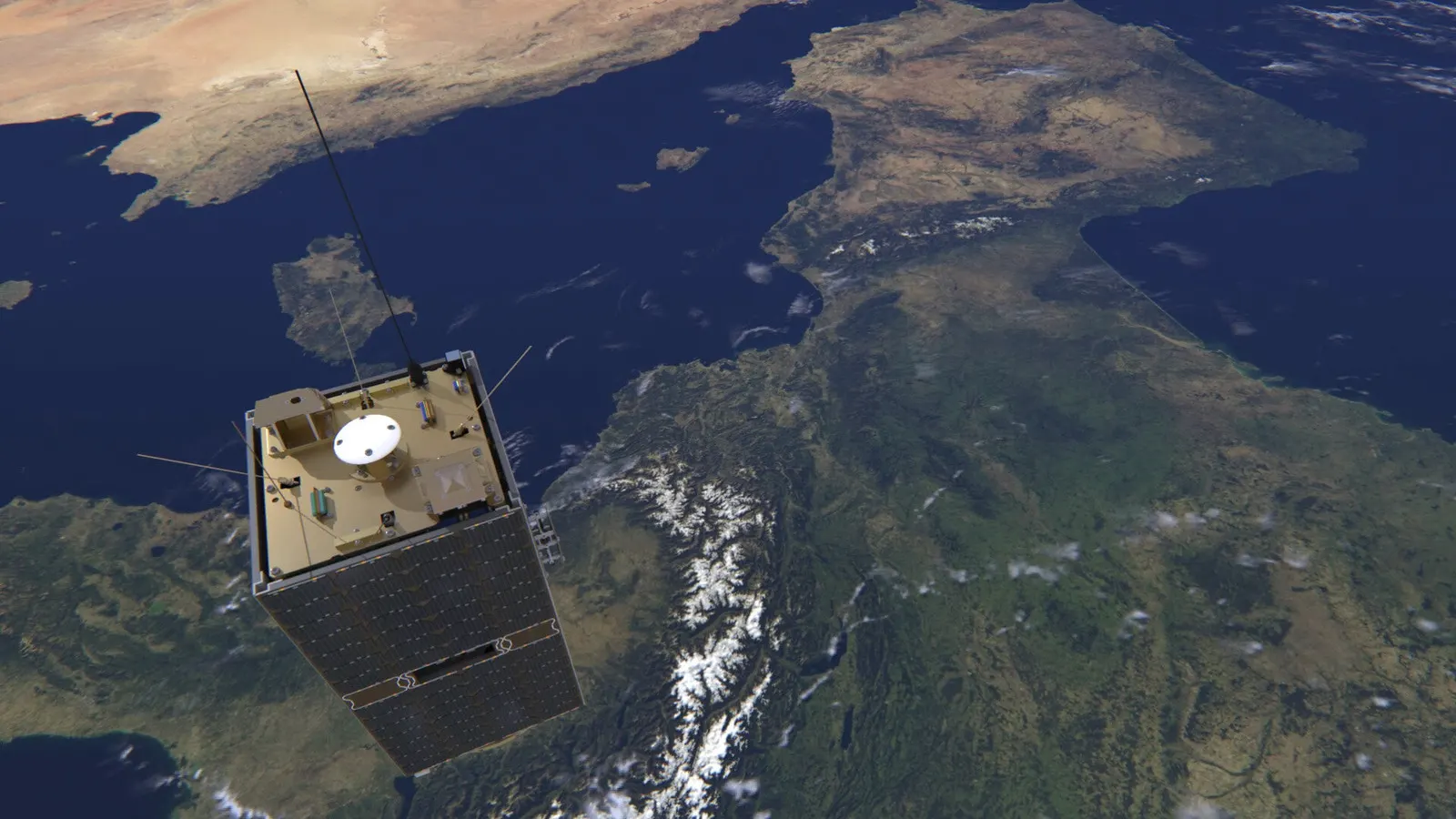
The population of man-made objects in orbit has grown since 1957, and most of it is debris: defunct spacecraft, launcher stages and fragments from explosions and collisions. With mega-constellations and CubeSats the collision risk keeps rising, and collisions left unchecked would create further fragments up to the chain reaction known as the Kessler syndrome. The lab contributes on three fronts: on-board autonomous collision avoidance with inter-satellite radio links and optical sensors, collaborations with other research centres in the field, and novel sensing technology such as event-based cameras.

DetritiAstrometriaCamere a eventiBOPAS
Space situational awareness
04

Attitude determination and control

Pointing accuracy and stability on platforms with limited hardware, verified on the ground before flight.

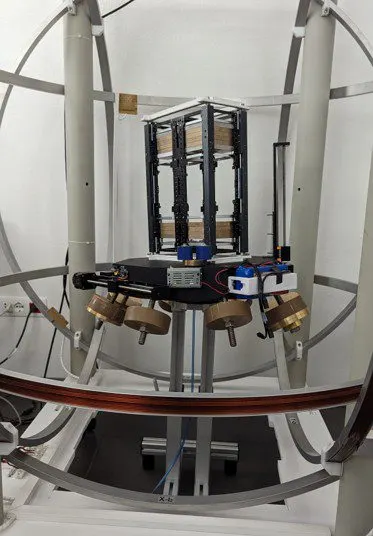
The attitude determination and control system is a critical subsystem and one of the main causes of mission failure. Nanosatellite algorithms must meet demanding requirements while working with limited hardware, and to guarantee their reliability they have to be tested on the ground. The orbital environment is reproduced on the simulation testbed built in house, where the algorithms are validated.

CubeSatAOCSControllo magneticoBilanciamento
Attitude determination and control
05

Neural-based attitude guidance and control

Neural networks in place of predictive control for agile attitude manoeuvres with variable-speed control moment gyroscopes.

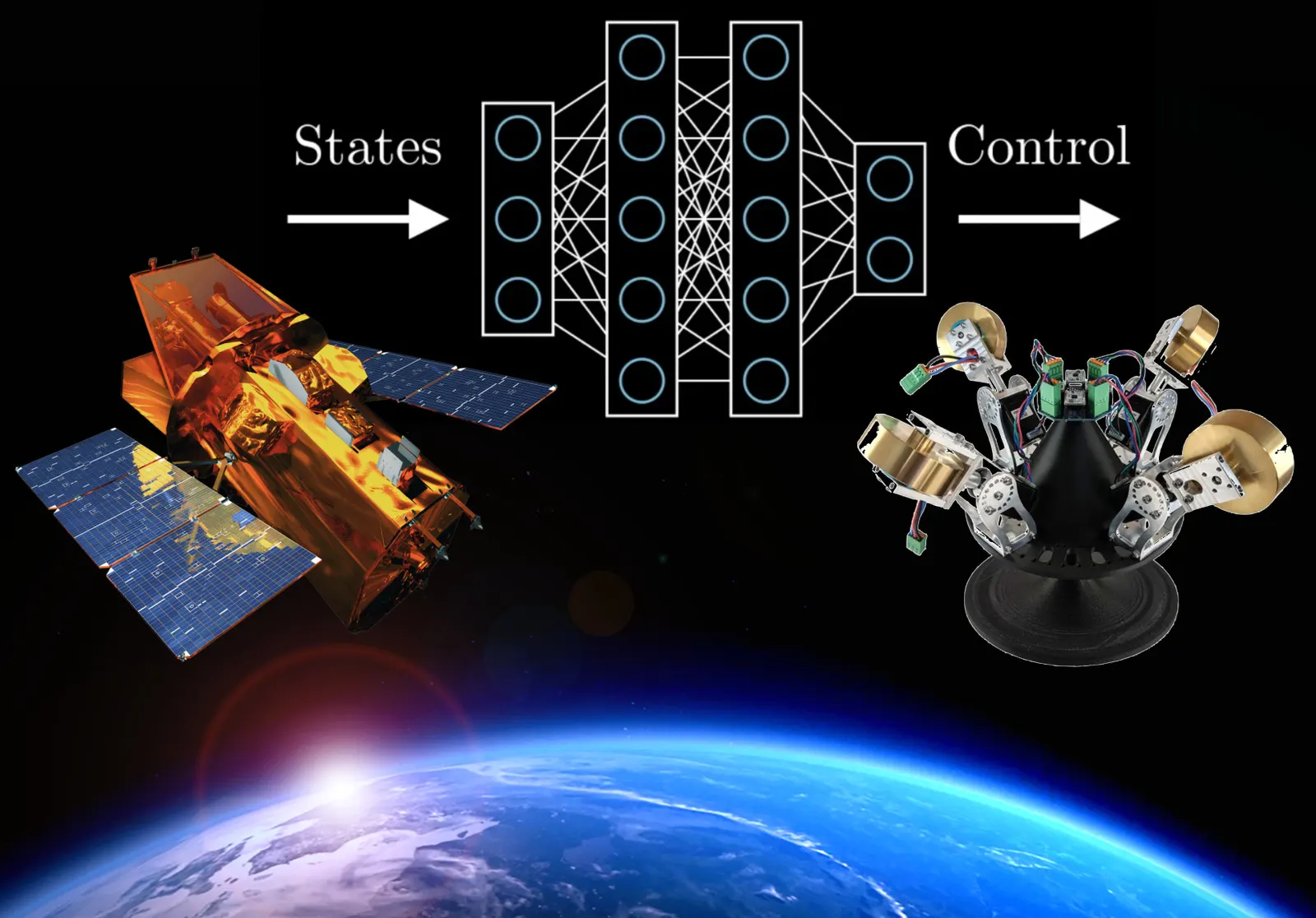
A co-sponsored project on the ESA Open Space Innovation Platform, aimed at the autonomy of future missions requiring highly agile attitude manoeuvres. Reaction wheels are often preferred for their simplicity, but variable-speed control moment gyroscopes offer clear advantages in agility, energy efficiency and singularity management. Recent work shows that a neural network can approximate the optimal state feedback policy even under strongly nonlinear conditions, at a much lower computational cost. The algorithms are benchmarked against established control systems, in simulation and in hardware-in-the-loop tests at the Attitude Control Air Bearing Facility at ESA-ESTEC.

VSCMGESA OSIPESTECReti neurali
Neural-based attitude guidance and control
06

Spacecraft operations

New techniques for small spacecraft monitoring and control, with artificial intelligence applied to flight operations.

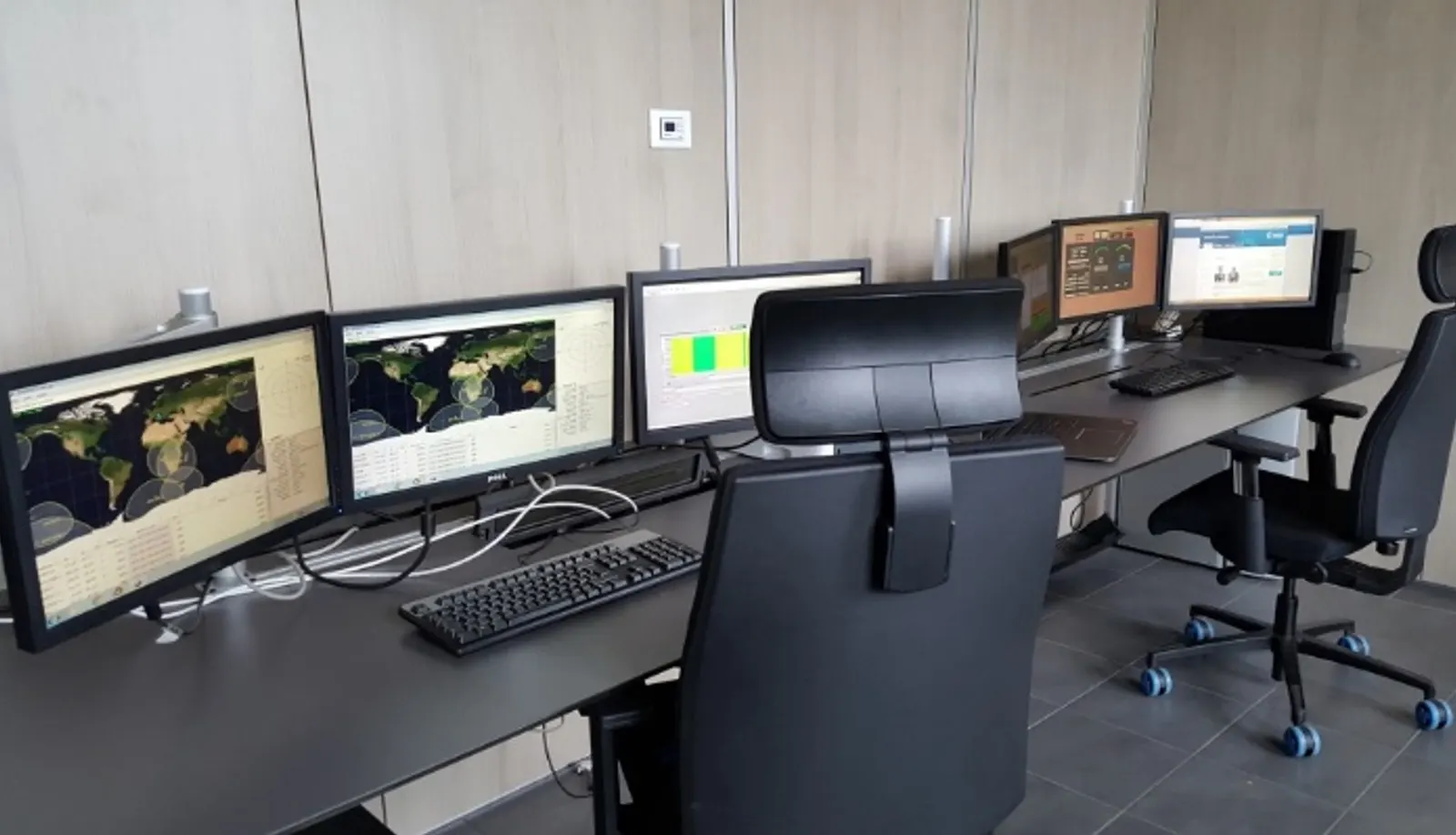
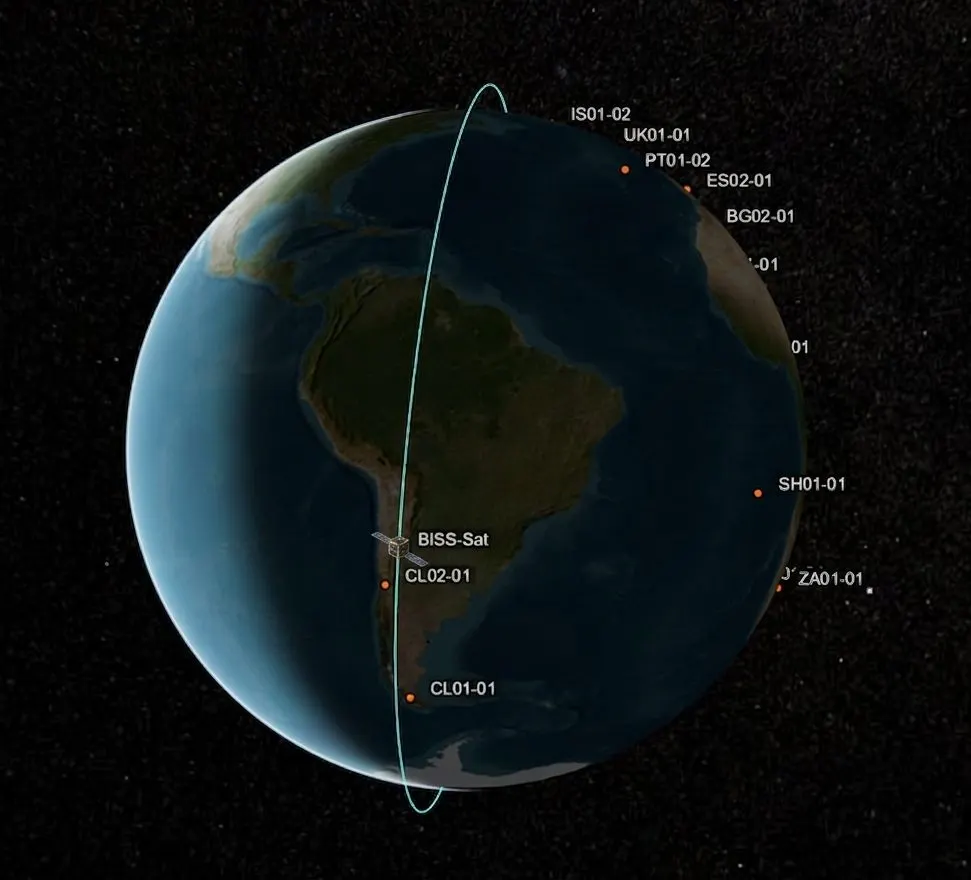
The topics are space traffic management, satellite monitoring and control, and autonomous operations. From the ESEO project the lab has its own ground segment, where hands-on experience is gained and new operations techniques are tried out.

Segmento di terraESEOOperazioni autonome
Spacecraft operations
07

Mission analysis

Defining and optimising trajectories and operational scenarios for small satellite missions, from requirements to technical budgets.

The process starts from mission and system requirements and evaluates platform constraints from the earliest phases. Activities include simulating Sun observation windows, analysing ground station contact time and assessing the performance of space-based IoT communication services. They also cover power, link, pointing and mass budgets, and space debris mitigation analyses, with atmospheric re-entry simulations and casualty risk estimates. The tools are MATLAB, ESA DRAMA and CAD models for system-level constraints.

RequisitiBilanci tecniciDRAMARientro
Mission analysis
08

Pointing error and image motion compensation

Pointing error budgets to the ECSS standard, and line of sight stabilisation for Earth observation from very low orbit.

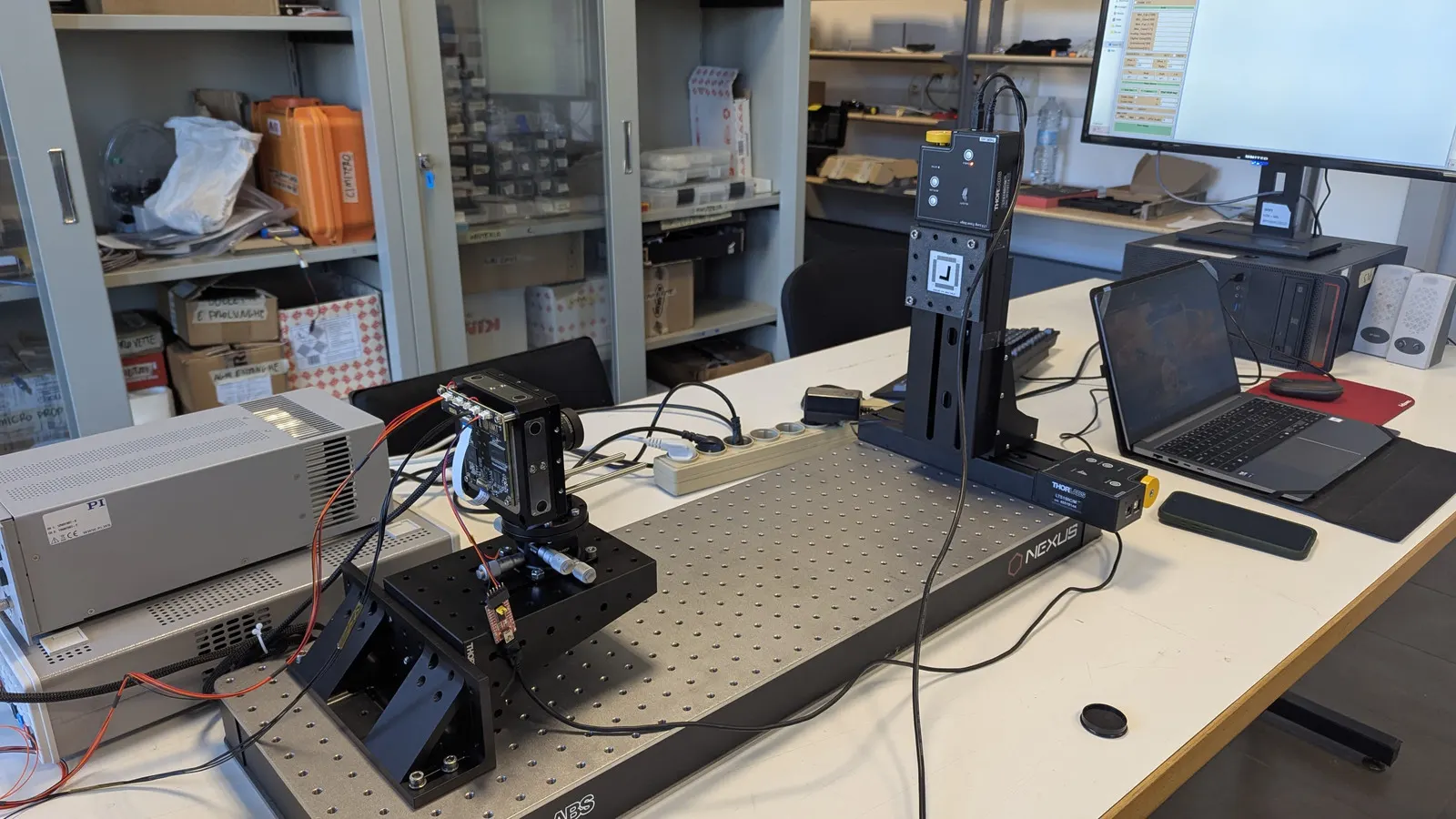
Image motion compensation translates the sensor, not the optics, in antiphase with the apparent motion of the scene. The motion can be predicted from an analytical orbit and attitude model, or measured from pairs of low exposure frames with phase correlation optical flow. A dedicated bench reproduces the motion and measures the actual gain in sharpness.

ECSSVLEOOptical flowPiezo
Pointing error and image motion compensation

Heritage

Expertise built on the AlmaSat-1 and ESEO missions, still part of what the lab can do.

Autonomous GNSS navigation

Autonomous GNSS navigation

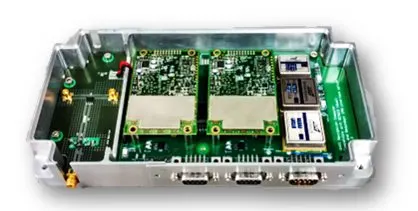
Low cost spaceborne GNSS receivers for autonomous real time orbit determination, developed on multi-constellation dual frequency FPGA, and validated in flight on ESA's ESEO satellite.

Micropropulsion systems

Micropropulsion systems

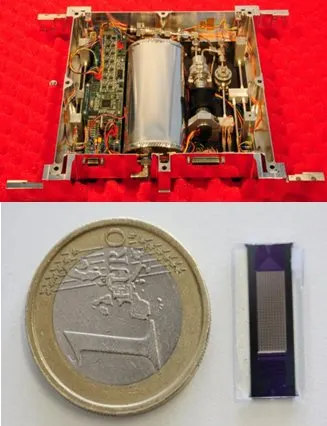
Grown out of the cold gas system of AlmaSat-1 and continued on high test peroxide monopropellant thrusters, which exploit exothermic catalytic decomposition to fill the performance gap between cold gas and hydrazine. With SITAEL and Fondazione Bruno Kessler, prototypes were built as silicon MEMS devices integrating inlet region, decomposition chamber and nozzle in a single unit. The last batch, tested in the summer of 2019, showed complete decomposition of the propellant at the nozzle exit in some configurations.

ESEO spacecraft operations
© ESA

ESEO spacecraft operations

Operating the ESEO satellite from the Forlì ground station after the launch in December 2018, with the mission control room set up for the purpose and still in use.