


Space It Up!
National space research programme. The lab contributes line of sight stabilisation for very low orbit platforms and the robotic testbed for ground validation of optical navigation.
Activity
Funded projects and internal activities where the lab contributes navigation, attitude and payload technologies for small platforms.
National space research programme. The lab contributes line of sight stabilisation for very low orbit platforms and the robotic testbed for ground validation of optical navigation.
Study and development of accurate, cost-effective solutions for autonomous collision avoidance, from impact probability computation to mitigation procedures.
On-board autonomy for space traffic management, with conjunction detection and manoeuvre logic executed directly on the satellite computer.
Maturing a subsystem from TRL 4 to TRL 7, with requirements specification, verification campaign and Statement of Compliance.
CubeSat mission with development of the inter-satellite link transceiver, presented at the 4S 2024 symposium.
CUbesat Solar Polarimeter: a two CubeSat constellation for X-ray polarimetry of solar flares and space weather.
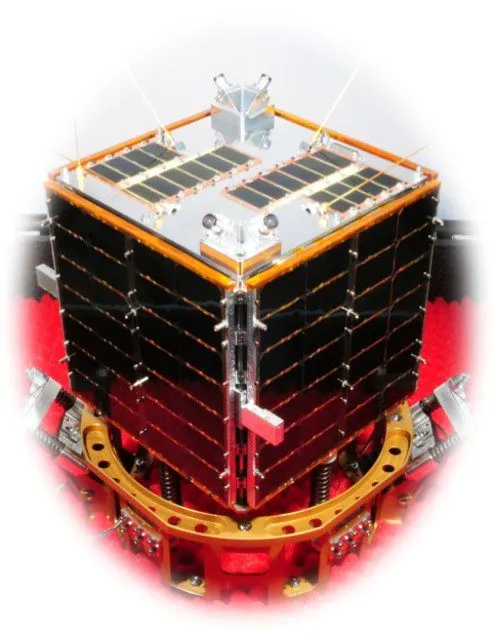
University microsatellite technology demonstrator, carrying micropropulsion and transmission experiments. Launched on 13 February 2012 on the maiden flight of the VEGA launcher, re-entered the atmosphere on 25 April 2020 after 2994 days in orbit.
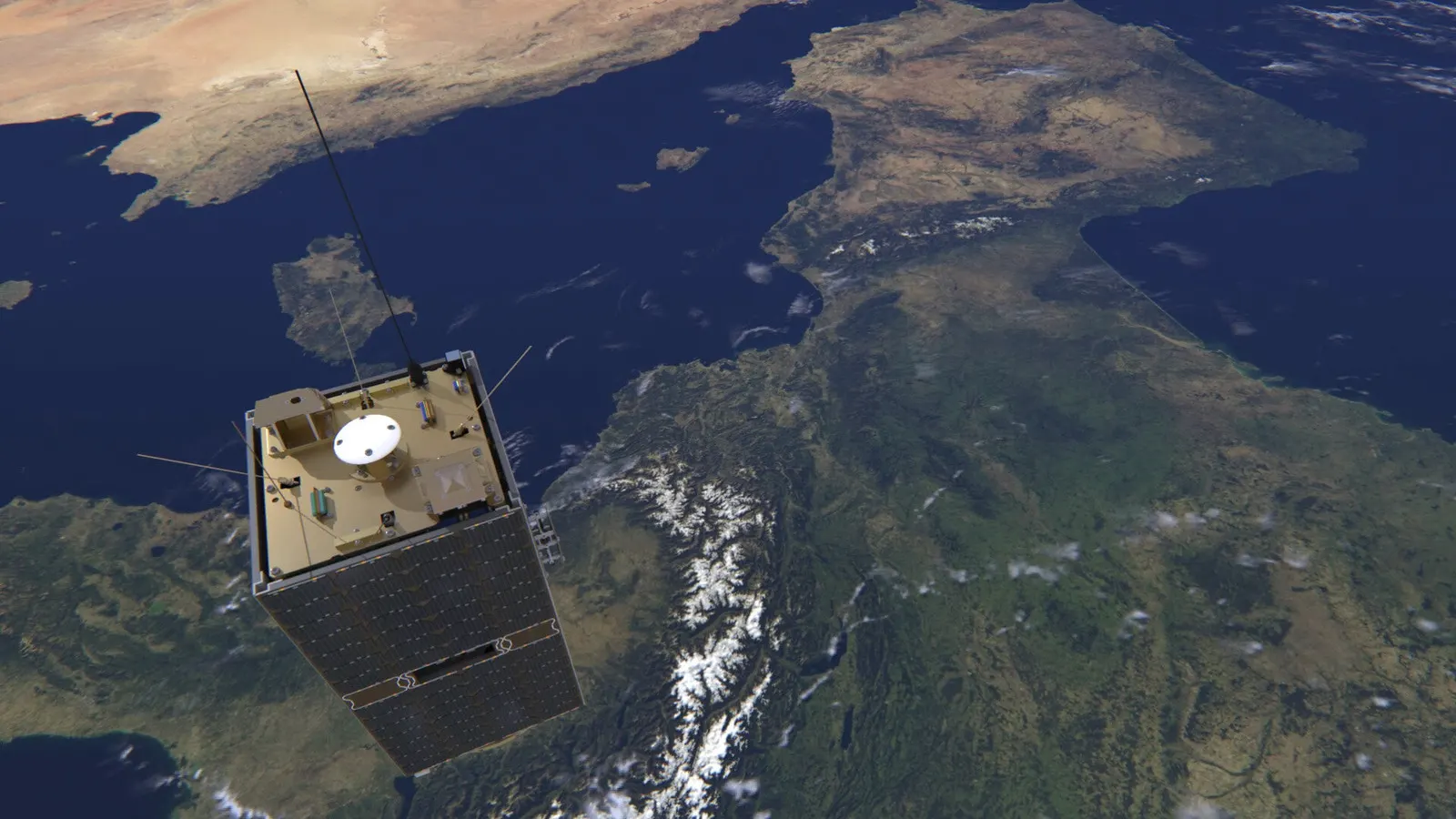
European Student Earth Orbiter, an educational mission of the European Space Agency. The lab provided the GNSS navigation subsystem and took part in operations. Launched on 3 December 2018, it is still in a sun-synchronous orbit at about 553 km.